
A Fresh Look at Modern Home Buying Trends
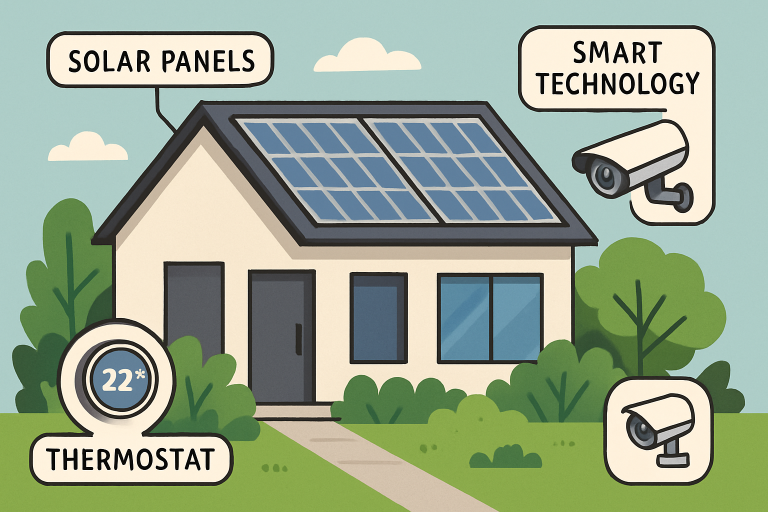
Table of Contents
- Sustainable Living: A Priority for Buyers
- Smart Home Integration: The New Standard
- Cozy and Personalized Spaces: Redefining Comfort
- Climate-Resilient Features: Preparing for the Future
- Market Shifts and Affordability: Navigating the New Normal
- Conclusion
Navigating the real estate market in 2025 offers new challenges and opportunities, driven by innovation and evolving consumer priorities. Whether you are considering your first purchase, planning an upgrade, or investing in property, understanding these modern trends is vital. If you’re specifically searching for opportunities in Arizona, you’ll find a diverse collection of homes for sale in Paradise Valley AZ that reflect many of these emerging preferences.
The American housing market is more competitive and fast-paced than ever before. Buyers are now keenly aware of energy costs, climate resilience, and the need for personal sanctuary spaces—each significantly influencing purchasing decisions. Sellers and developers must stay ahead of these preferences to remain appealing in a rapidly shifting marketplace.
Sustainable Living: A Priority for Buyers
The desire for sustainability has become a leading force in homebuying. Today’s buyers expect homes to offer eco-friendly features, such as solar panels, advanced insulation, and whole-home batteries. According to Zillow’s 2025 Home Trends Report, mentions of whole-home batteries have surged by 62% from last year, indicating that buyers want properties that prioritize energy efficiency and lower utility costs. Embracing these features not only preserves the environment but can also boost a property’s long-term value.
This emphasis on sustainability means future sellers should invest in upgrades that appeal to green-conscious buyers. Making your home energy efficient may now be as essential as curb appeal or location—helping your property stand out in a crowded market.
Smart Home Integration: The New Standard
The new era of home buying is rooted firmly in technology. Smart home features from digital thermostats and intelligent lighting to automated security systems are tipped to become standard expectations among buyers. Market giants like Google, Amazon, and Apple have made home automation easily accessible, increasing buyer demand for smart, connected living spaces.
This technological shift addresses more than just convenience. It’s about peace of mind, enhanced security, and seamless energy management. Many buyers see smart home integration as the difference-maker when choosing between otherwise similar properties.
Cozy and Personalized Spaces: Redefining Comfort
The era of wide-open, multi-functional floor plans is giving way to thoughtfully defined, cozy spaces. Modern buyers gravitate toward homes with clearly designated rooms that create a sense of intimacy and purpose—think dens, studies, or color-rich nooks. This trend is fueled by remote work and a desire for personal sanctuary within the home.
Saturated colors, textured finishes, and personalized décor choices are increasingly prevalent. These design elements help buyers envision daily life in a way that open, impersonal layouts often cannot. Sellers should consider how staging can transform “blank canvas” spaces into inviting retreats uniquely suited to today’s lifestyle.
Climate-Resilient Features: Preparing for the Future
Climate resilience is moving from niche interest to market expectation. With natural disasters and extreme weather events becoming more frequent, buyers now seek homes equipped for safety and recovery. Features like flood barriers and seismic retrofitting are in higher demand, with Zillow reporting 22% and 20% increases in searches for these features over the past year, respectively. This shift indicates a long-term focus on security and protecting investment against natural threats.
Developers and sellers who proactively add climate-resilient features to their listings will appeal to an increasingly well-informed, safety-conscious buyer pool.
Market Shifts and Affordability: Navigating the New Normal
The housing market’s affordability crisis shapes every decision today. The typical U.S. home now costs nearly 50% more than five years ago, rising to an average value of $366,000 as of July 2025. Simultaneously, mortgage rates have climbed—hovering between 6% and 7%—making monthly payments a greater strain. With inflation impacting household budgets, buyers are forced to balance affordability with the desire for upgraded features and safer locations.
While these trends pose definite challenges, staying informed helps buyers and sellers alike make prudent decisions. Exploring alternative financing solutions or considering up-and-coming neighborhoods can yield more affordable entry points into the market. According to industry experts cited by The Wall Street Journal, creative negotiations and flexible expectations can also make a significant difference.
Conclusion
The modern home buyer’s checklist is evolving rapidly, shaped by technology, sustainability, climate concerns, and dynamic economic forces. By tracking and responding to these emerging trends, buyers can find or create spaces perfectly fit for the present—and sellers can attract a more motivated, informed audience. The pathway to a successful home purchase or sale lies in embracing both current realities and future innovations in the ever-changing real estate landscape.